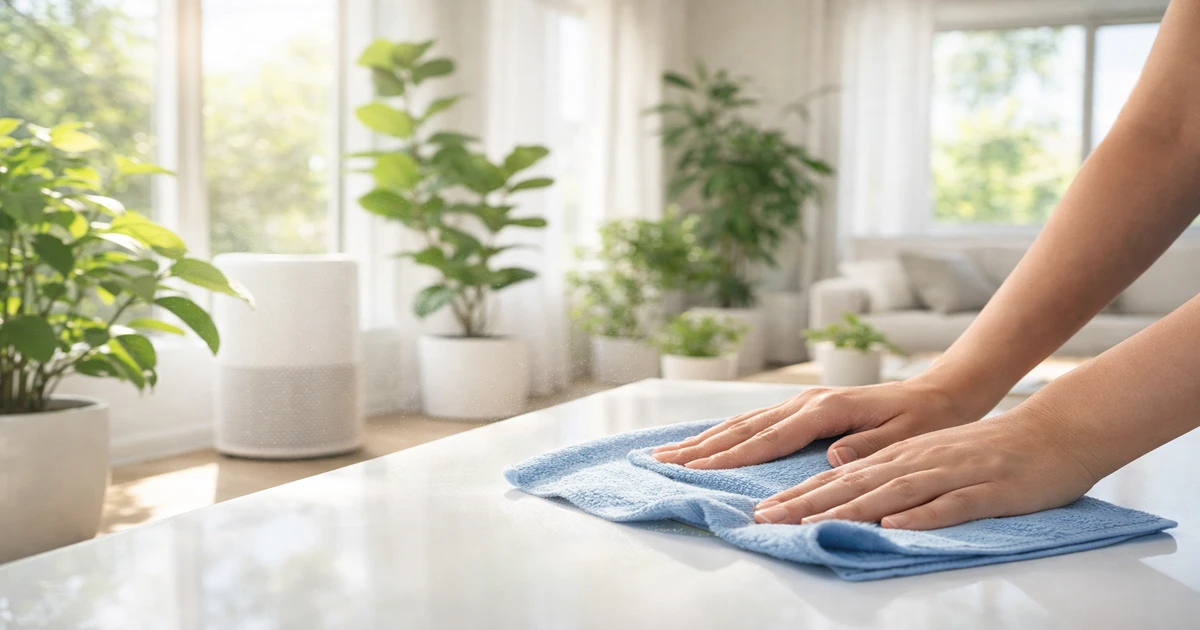
If you find yourself sneezing more at home than outside, the problem may not be seasonal. Indoor allergens often build up quietly and circulate through your living space every day. Dust mites, pet dander, pollen, and mold spores settle into carpets, furniture, and surfaces you rarely think about. That is where cleaning for allergies becomes essential, not just for comfort but for your overall well-being.
When your home is cleaned with allergies in mind, the air you breathe improves noticeably. You feel it in fewer allergy flare-ups, easier breathing, and a home that feels lighter and fresher. The right cleaning approach makes a measurable difference in indoor air quality.
Why Indoor Air Quality Matters More Than You Think
Indoor air can contain higher concentrations of allergens than outdoor air. These particles do not stay on surfaces. They become airborne every time you walk across a room, sit on furniture, or turn on your HVAC system. Over time, this constant exposure can worsen allergy symptoms and irritate your respiratory system.
Cleaning for allergies focuses on removing allergens at their source rather than simply masking symptoms. When allergens are reduced, the air becomes cleaner and easier to breathe.
Dust Is One of the Biggest Triggers
Dust is not just dirt. It is a mixture of skin cells, pollen, fabric fibers, and microscopic debris that settles throughout your home. Regular dusting helps, but allergy-focused cleaning goes deeper.
High surfaces like ceiling fans, vents, shelves, and blinds are common dust collectors. Floors, baseboards, and carpets trap dust that gets kicked back into the air daily. Thorough dust removal significantly reduces airborne particles and improves air circulation.
Carpets and Upholstery Hold Hidden Allergens
Soft surfaces are some of the biggest contributors to poor indoor air quality. Carpets, rugs, couches, and mattresses absorb allergens and release them slowly over time. Vacuuming helps, but proper filtration and deep extraction are key.
When you prioritize cleaning for allergies, deep carpet cleaning and upholstery care become essential steps. These processes remove allergens that normal vacuuming leaves behind, helping your home feel noticeably fresher. Also read How to Deep Clean a House.
Bathrooms and Kitchens Need Special Attention
Moisture-prone areas create the perfect environment for mold and mildew, both of which release spores into the air. Bathrooms, laundry rooms, and kitchens need consistent cleaning to prevent buildup.
Scrubbing grout, disinfecting surfaces, and addressing moisture sources helps reduce airborne irritants. Keeping these areas clean also prevents musty odors that often signal poor air quality.
HVAC and Vent Areas Cannot Be Ignored
Your heating and cooling system plays a major role in how air moves through your home. Dust and allergens collect around vents and returns, then circulate every time the system runs.
Cleaning vents, surrounding surfaces, and nearby floors helps reduce allergen spread. This step alone can dramatically improve how clean your air feels.
Professional Allergy-Focused Cleaning Makes a Difference
While regular cleaning helps, allergy-focused cleaning requires consistency and attention to detail. Professional deep cleaners in Wylie, TX understand how allergens behave and where they hide. Teams like Top-Tier Cleaners use proven methods to target allergen-heavy areas and reduce buildup effectively.
This approach supports better indoor air quality and helps maintain results over time.
Breathe Easier with the Right Cleaning Approach
Your home should be a place where you feel comfortable and healthy, not one that triggers allergy symptoms. When you invest in cleaning for allergies, you take control of your indoor environment and improve the air you breathe every day.
If you want to create a cleaner, healthier home with noticeable results, reach out to Top-Tier Cleaners and experience the difference allergy-focused cleaning can make.