
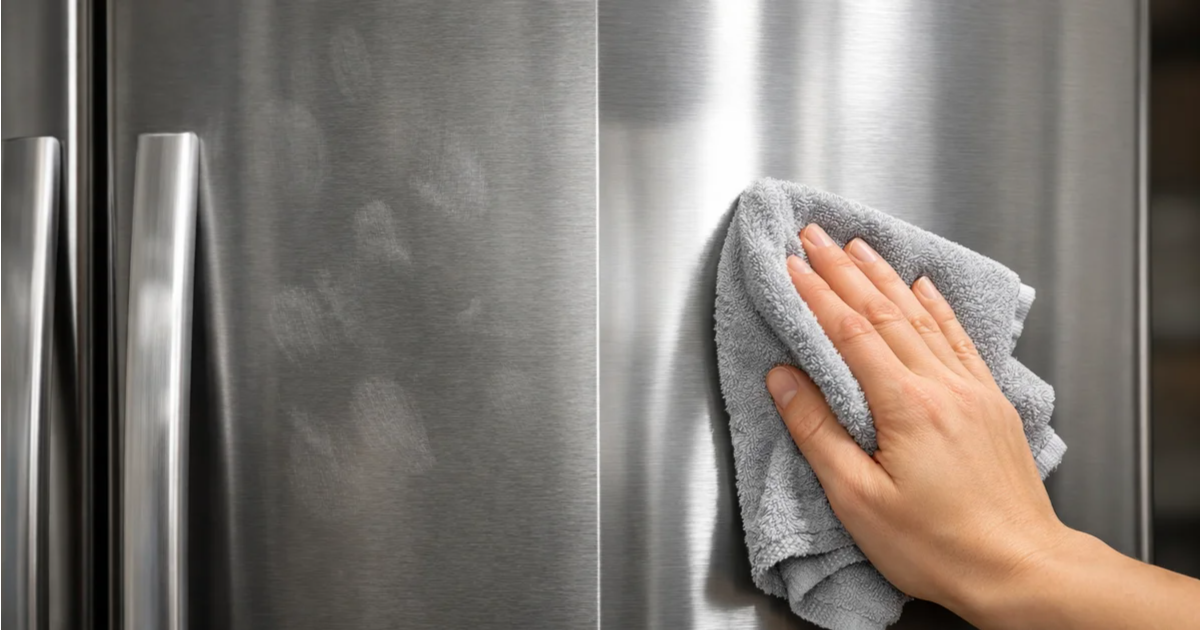
Stainless steel makes any appliance look sleek and modern, but keeping them clean can feel frustrating. Fingerprints, water spots, and streaks seem to appear no matter how often you wipe them down. If you have ever wondered how to clean stainless steel appliances without leaving marks behind, the solution lies in technique rather than effort.
Stainless steel has a specific grain that reacts differently to cleaners and cloths. Once you understand how the surface works, keeping it clean becomes much easier and far less time-consuming.
Understand the Grain of Stainless Steel
Stainless steel has a visible grain, similar to wood. Cleaning against that grain pushes dirt into tiny grooves, which leads to streaks and residue. Cleaning with the grain lifts dirt out and leaves the surface smooth.
Before you start, take a moment to identify the direction of the grain. This simple step makes a noticeable change in results.
Use Gentle Cleaners Instead of Harsh Products
Harsh chemicals can damage stainless steel finishes over time. Abrasive cleaners and rough sponges scratch the surface, making it easier for fingerprints and stains to stick.
Warm water and a mild dish soap are often enough for routine cleaning. This gentle approach protects the finish while removing grime effectively.
Choose the Right Cloth for the Job
Paper towels and rough fabrics often leave lint and streaks behind. Microfiber cloths are ideal because they trap dirt and polish the surface at the same time.
When learning how to clean stainless steel appliances, using the right cloth is just as important as using the right cleaner. Also read about Cleaning Your House When You Are Overwhelmed.
Dry Immediately to Prevent Water Spots
Water spots form when moisture evaporates and leaves minerals behind. After cleaning, always dry the surface with a clean microfiber cloth.
This step prevents streaks and keeps appliances looking polished. Skipping drying is one of the most common reasons stainless steel looks dull after cleaning.
Polish Lightly for a Finished Look
Once the surface is clean and dry, a light polish helps restore shine. Use a small amount of stainless steel polish or a drop of mineral oil applied sparingly.
Polishing enhances appearance and creates a barrier that helps repel fingerprints and smudges.
Avoid Common Cleaning Habits That Cause Streaks
Overusing the product, cleaning in random motions, and letting cleaners air dry all contribute to streaks. Keeping your routine simple and consistent produces better results.
Understanding how to clean stainless steel appliances properly helps preserve their appearance and extend their lifespan.
Professional Cleaning Helps Maintain Results
If appliances are heavily marked or part of a larger kitchen clean, professional support can help restore their appearance. Teams like Top-Tier Cleaners understand how to clean stainless steel safely while maintaining a streak-free finish.
Professional House Cleaning Services in Wylie TX also helps keep your kitchen looking polished as a whole.
Keep Your Appliances Looking New
Stainless steel appliances elevate the look of your kitchen when they are cleaned correctly. With the right technique, streaks and fingerprints no longer feel inevitable.
Now that you know how to clean stainless steel appliances, you can maintain their shine with confidence or rely on professionals when you want flawless results without the effort.
If you want expert care for your home, reach out to Top-Tier Cleaners and enjoy a kitchen that always looks its best.
Is baking soda safe on stainless steel?
Yes, baking soda is generally safe on stainless steel when you use it correctly. It is a mild abrasive, so it lifts stains, grease and light residue without the harshness of many chemical cleaners. The main risk is scratching, especially on brushed or polished finishes, so technique matters. Mix baking soda with a little water to form a soft paste, apply it with a damp microfiber cloth, and rub gently in the direction of the grain. Rinse with clean water, then dry with a soft towel to prevent water spots and streaks. Avoid steel wool and rough scrubbers, which can leave marks. For stubborn spots, test a small hidden area first, since some finishes are more delicate than others. Baking soda also helps remove odors from sinks and cookware, but don’t mix it with bleach or other harsh cleaners. If you want a full routine, see our guide on how to clean stainless steel appliances, and for natural cleaning ideas, read how to clean a microwave with vinegar. Our kitchen appliance cleaning guide covers more surfaces. If you’d rather save time, Top-Tier Cleaners can handle your kitchen while you focus on other things.