Summary: This blog explains how house cleaning services improve indoor air quality and health. It covers sources of indoor pollution like dust, pet dander, and kitchen grease, and how deep cleaning helps remove them. It also highlights benefits such as better breathing, fewer allergies, and a healthier home environment through professional cleaning of carpets, sofas, vents, and other hidden areas.
When you search for a house cleaning service near me, you are usually thinking about dust, mess, or saving time. But there is something deeper happening inside your home that often goes unnoticed: the quality of the air you breathe every single day.
Indoor air can be surprisingly more polluted than outdoor air, especially in homes where dust, cooking smoke, pet dander, and moisture build up over time. Most people do not connect their sneezing, tiredness, or even headaches with their living space, but there is often a direct link. Keep reading to understand this connection better.
Why Indoor Air Quality Gets Worse at Home
Homes collect more pollution than we think. Even if everything looks clean on the surface, the air may still carry invisible particles that can affect health. These include fine dust, mold spores, pet hair, pollen, and chemicals left behind from cleaning products or furniture.
Poor airflow can trap all of these inside, especially in modern homes where windows stay closed most of the time due to weather or outside pollution. Over time, these particles move through fans, AC units, and soft items like sofas and curtains.
What makes it more concerning is that you get used to it. Your body adjusts, but it does not mean it is not affecting your health in small ways.
Hidden Sources of Indoor Pollution
Most homeowners are surprised when they learn where indoor air pollution actually comes from. It is not just dust on tables. It goes much deeper than that.
Common hidden sources include:
- Carpets and rugs that hold allergens
- Upholstered furniture that traps dust mites
- Kitchen grease that turns into airborne particles
- Bathroom dampness leading to mold growth
- Pet fur and dander settling into fabrics
Even something as simple as not cleaning ceiling fans or air vents can keep spreading dirty air throughout your home.
How Professional Cleaning Improves Air Quality
This is where regular and deep cleaning makes a real difference. When cleaning is done properly, it does not just remove visible dirt, it also reduces harmful particles in the air.
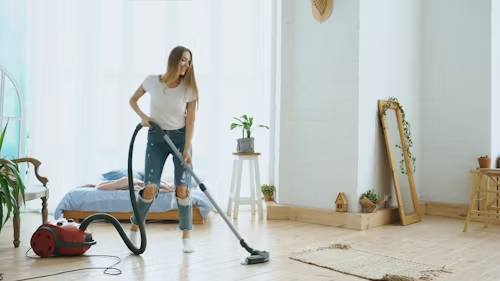
Deep cleaning focuses on areas that are often ignored during daily routines. For example, vacuuming with proper filters helps trap fine dust instead of pushing it back into the air. Wiping surfaces with the right methods prevents buildup that can later become airborne.
A few key improvements include:
- Less dust and allergen spread in the air
- Removal of mold-friendly damp buildup
- Cleaner air paths through vents and ducts
- Lower amount of chemical leftovers
When your home is properly cleaned, your space starts to “breathe” better, and so do you.
The Direct Link Between Clean Homes and Better Health
You might not immediately connect cleaning with health, but the connection is stronger than most people think. Cleaner indoor air can reduce breathing irritation, improve sleep quality, and even support better focus during the day.
Children and older adults are especially sensitive to poor air quality. Asthma triggers, allergies, and repeated colds often have environmental causes that go unnoticed.
Regular deep cleaning helps reduce:
- Allergy flare-ups
- Dust-related breathing discomfort
- Eye and skin irritation
- Tiredness caused by poor air flow
It is not just about cleanliness, it is about creating a healthier daily living experience.
Why Professional Cleaning Makes a Noticeable Difference
You can absolutely maintain a clean home on your own, but professional cleaning brings consistency, depth, and skill that is hard to match with routine efforts.
Professionals use tools designed to remove deep dirt, not just surface dust. They also follow step-by-step cleaning methods that make sure no hidden corner is missed.
More importantly, they understand how different materials in your home react to cleaning methods, which helps avoid damage while improving hygiene.
Think of it as moving from basic cleaning to a more complete reset for your home environment.
In Closing:
At Top Tier Cleaners, we believe cleaning is not just a task, it is a way of caring for your home and the people living in it. Our services are designed to improve both cleanliness and indoor air quality through detailed deep cleaning beyond regular tidying. We focus on deep vacuuming of carpets and rugs, sofa and upholstery cleaning, kitchen grease removal, bathroom scrubbing and sanitization, and cleaning of corners, vents, and high-touch surfaces.
If you have been searching for house cleaning near me, reach out to Top Tier Cleaners today and experience professional cleaning that truly makes your home fresher, healthier, and more comfortable to live in.
FAQs
- Why is indoor air quality important in a home?
Indoor air quality matters because it affects your breathing, sleep, and health. Clean air reduces allergies, coughing, tiredness, and keeps your home safer and fresher.
- How does house cleaning improve indoor air quality?
House cleaning removes dust, pet hair, and dirt from surfaces and fabrics. This reduces particles in the air and helps you breathe cleaner, healthier air at home.
- What areas of the home affect air quality the most?
Carpets, sofas, curtains, kitchen areas, vents, and bathrooms affect air quality most because they trap dust, germs, moisture, and allergens that spread in indoor air.
- How often should deep cleaning be done for a healthy home?
Deep cleaning should be done every few weeks or monthly depending on usage, pets, and dust levels to keep indoor air clean and healthy.
- Can professional cleaning help with allergies?
Yes, professional cleaning reduces dust, pet dander, and hidden dirt. This helps lower allergy triggers and makes breathing easier, especially for sensitive people at home.