
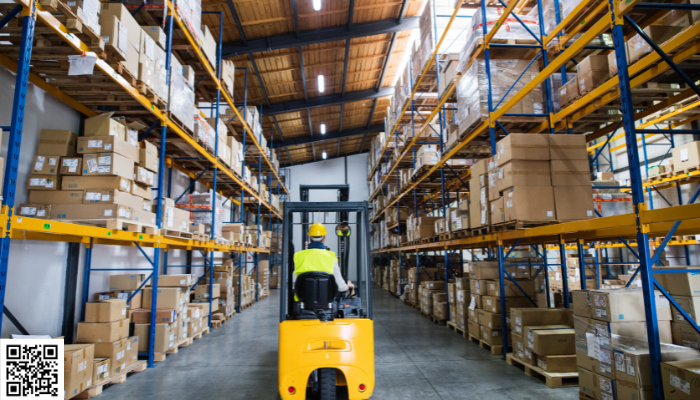
The hustle and bustle in the warehouse collects dust. Objects such as packaging waste scraps, unvacuated forklift pad footprints, broken pallets and spills can quickly make the workspace challenging to maintain.
With correct cleaning, you can protect your inventory, optimize your workplace, and clear your work areas.
Cleaning a warehouse is not the same as a household service, such as Top Tier Cleaners does, and requires an understanding of certain hazards, careful planning, and the right industrial cleanup equipment.
Here are some suggestions on how to get the job done without too much disruption to everyone’s routine.
How to Clean a Warehouse Step by Step
1. Inspect and Prepare the Warehouse
Look at high-traffic areas, loading docks, storage racks and the floor first. Look for loose packaging, drips and blemishes.
Discuss with the supervisors in the warehouse whether there are areas to separate work areas from forklifts and other mobile equipment before the cleanup begins.
Use appropriate protection for emergency evacuation.
2. Remove Loose Debris and Waste
Clean floors with a mop, taking off any cardboard, plastic wrap or debris before you use it, and then disposing of those items correctly.
Use an industrial vacuum or a suitable dust control sweeper to recover fine dust and try to prevent spreading in the interior of the building.
3. Clean Warehouse Floors Thoroughly
The material a warehouse floor is made of and the amount of contaminants on the floor, determine the effectiveness of the cleaning.
If there is a large concrete surface, an automatic floor scrubber can be by far more effective at removing debris from the floor than a mop.
Use flooring manufacturer-recommended materials and follow manufacturer recommendations.
For heavily contaminated areas there are good examples of deep cleaning methods, but for industrial surfaces there are certain equipment and procedures that are required.
Be careful not to reopen floors until the floors are dry.
4. Clean Storage Racks and Shared Areas
Clear accessibility to shelves, workstations, doors and loading equipment, without upsetting stored products.
Access to the rig has to be suitable for high-level cleaning and the staff must be competent.
Shared offices and break rooms require periodic cleaning as well. Washing washrooms and wiping down touch points are still a good way to apply basic house cleaning principles in these areas.
5. Clean Staff Accommodation and Temporary Living Spaces
Additional staff living quarters or emergency facilities may be added to some warehouses; these will need to be cleaned in a different manner. Beds, bathrooms, kitchen and frequently used surfaces should be cleaned regularly in the areas.
Airbnb cleaning services can be useful for keeping the property clean and working for the next visitors that stay there for a short period of time.
Warehouse Cleaning Schedule
Once you have a list of clean-up items in the warehouse, it’ll be easier to hand them over to other people and nothing’ll be left behind.
| Frequeny | Recommended Tasks |
| Daily | Remove waste, clear aisles, address routine spills |
| Weekly | Scrub floors, dust accessible shelving, clean loading areas |
| Monthly | Review high-level dust, deep-clean selected zones, inspect cleaning equipment |
Modify this timetable as needed due to traffic, materials stored, and operational needs.
Common Warehouse Cleaning Mistakes
Prevent these unnecessary issues:
- Using excessive water around electrical equipment.
- Letting dust build up on storage racks.
- Considering chemical spills as normal cleanup duties.
- Application of inappropriate chemicals on the warehouse floor.
There are hazardous spills that require a Spill Response Plan and trained staff. Other good workplace safety practices also emphasize clean, orderly and reasonably dry work areas, as mandated by OSHA.
Final Thoughts
Before you can even consider how to clean the warehouse, you should do proper checks, a controlled cleanup of the waste, the use of proper equipment along with some sort of regular maintenance.
Emphasize hazardous areas, mark off tasks and check the cleaning plan periodically.
Services that help prepare spaces for occupation, like Move in cleaning, are also available if your business handles residential properties.
A good cleaning regimen ensures an efficient way of continuing day-to-day operations but doesn’t detract from the joy of warehouse maintenance.